Chronic Pain Therapy in Ottawa & Ontario
Psychotherapy for Pain, Recovery & Nervous System Regulation
Living with Chronic Pain? You’re Not Alone
Chronic pain is more than a physical experience — it affects your thoughts, emotions, and nervous system. Many people find themselves stuck in a cycle where pain persists despite medical treatment or physiotherapy.
At Sif Zaman Psychotherapy, I work with individuals experiencing chronic pain to help them:
Reduce pain-related distress
Improve daily functioning
Break the cycle that keeps pain ongoing
Support recovery alongside physiotherapy or medical care
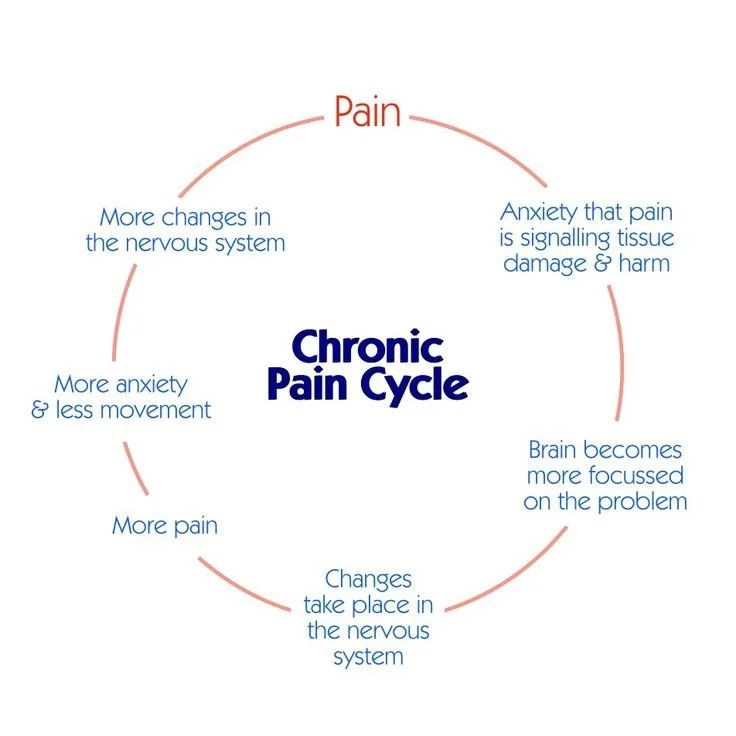
Chronic pain is often maintained by a cycle involving:
Pain → Anxiety about damage or harm
Increased focus on symptoms
Changes in the nervous system (sensitization)
Reduced movement and avoidance
Increased pain over time
This cycle is not “in your head” — it reflects how the brain and body interact under stress and threat.
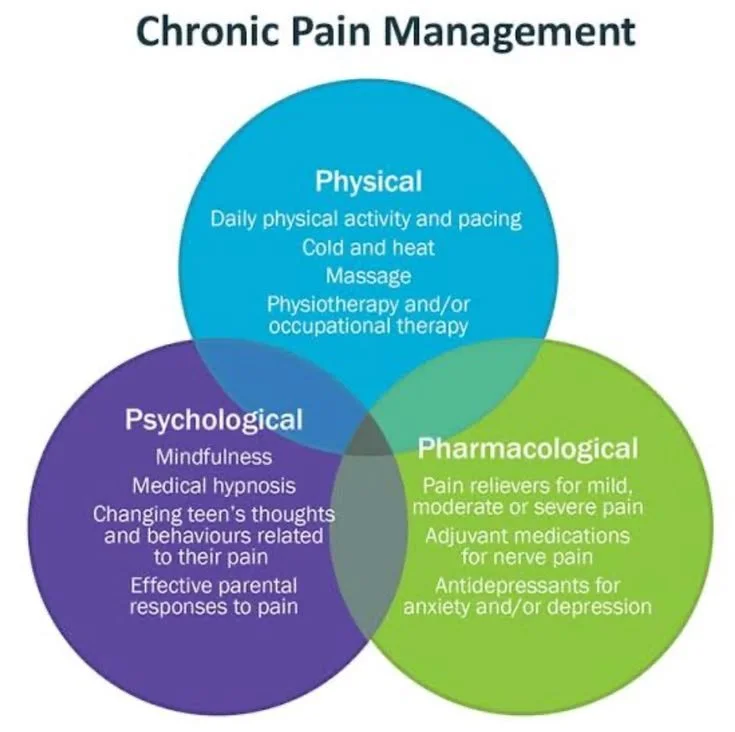
Effective chronic pain treatment addresses three key areas:
1. Physical
Physiotherapy
Movement and pacing
Heat, massage, rehabilitation
2. Psychological
Thoughts and beliefs about pain
Emotional responses (fear, frustration, hopelessness)
Stress and nervous system activation
3. Medical
Medication (when appropriate)
Physician-led care
👉 Psychotherapy focuses on the psychological and nervous system components, which are often the missing piece in recovery.
Effective chronic pain treatment addresses three key areas:
1. Physical
Physiotherapy
Movement and pacing
Heat, massage, rehabilitation
2. Psychological
Thoughts and beliefs about pain
Emotional responses (fear, frustration, hopelessness)
Stress and nervous system activation
3. Medical
Medication (when appropriate)
Physician-led care
👉 Psychotherapy focuses on the psychological and nervous system components, which are often the missing piece in recovery.
How Psychotherapy Helps with Chronic Pain
Chronic pain is closely linked to how the brain processes threat, safety, and sensation. Therapy can help:
Break the Fear–Avoidance Cycle
Reduce fear of movement
Rebuild confidence in your body
Regulate the Nervous System
Decrease hypersensitivity
Improve stress response
Change Pain-Related Thought Patterns
Address catastrophic thinking
Shift beliefs about damage and recovery
Improve Functioning and Quality of Life
Increase activity levels
Support return to meaningful routines
My Approach to Chronic Pain Treatment
I use evidence-based approaches tailored to chronic pain, including:
Cognitive Behavioural Therapy (CBT)
Trauma-informed therapy (CPT, EMDR when appropriate)
Dialectical Behaviour Therapy (DBT) skills
Pain-informed psychotherapy
Behavioural activation and pacing strategies
When to Seek Therapy for Chronic Pain
You may benefit from psychotherapy if:
Your pain persists despite treatment
You feel stuck in your recovery
You avoid movement due to fear of pain
Pain is affecting your mood, sleep, or daily functioning
You feel overwhelmed, frustrated, or hopeless
Collaborative Care with Physiotherapy
I frequently work alongside:
Physiotherapists
Family physicians
Rehabilitation teams
Therapy can help improve:
Adherence to rehab programs
Engagement in treatment
Overall recovery outcomes
What to Expect
Sessions focus on:
Understanding your pain experience
Identifying patterns that maintain pain
Building practical strategies for change
Supporting gradual, sustainable progress